Category
Movie Autographs
Signed photographs, posters, scripts and production paper
What you can actually buy signed from the films people love — photographs, posters, scripts and the paperwork behind the production — and how to tell a piece worth keeping from one that only looks the part.
Most people come to movie autographs through one film and one face. The useful thing to know first is that the same actor can be bought on half a dozen different objects, and the object decides more about quality and safety than the name does. A signed 8×10 in character, a reprint poster signed at a convention and a studio letter signed in the course of business are three very different purchases.
Below are real pieces Piece of the Past has listed, captioned for what they are and why they are interesting, followed by the practical side: which formats are genuinely scarce, where the forgeries sit and what moves value.
Real examples
From the Piece of the Past inventory
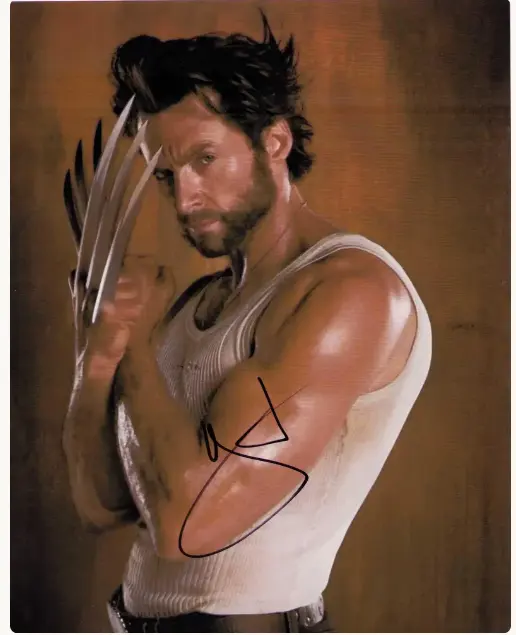
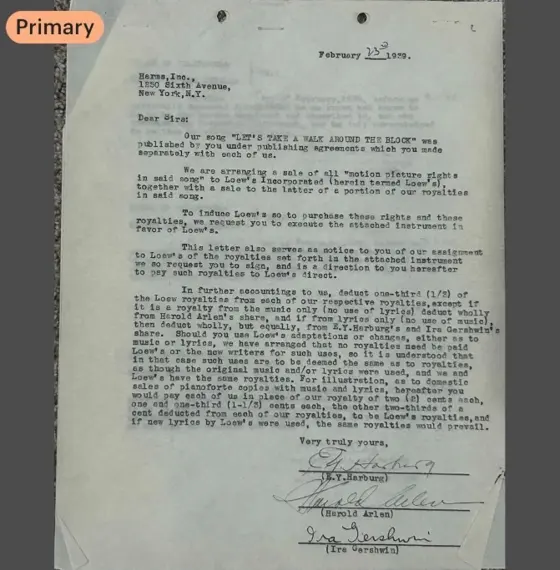
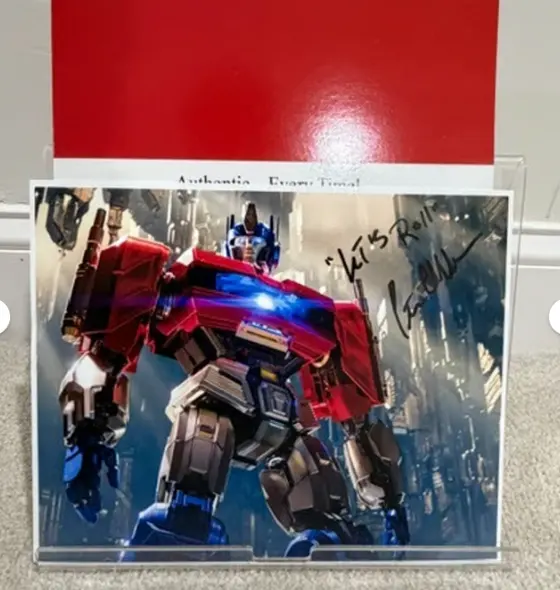
Photographs, posters, scripts and the rest
- Signed photographs
- The backbone of the category. Look for the role, not just the face: a still from the film people remember, with the signature placed on a light or open area of the image so it reads in full.
- Posters and one-sheets
- Original release one-sheets and modern reprints are both signed, and they are not the same object. A reprint signed at a convention is honest if it is described that way; sold as release paper, it is not.
- Scripts
- Shooting scripts and cast-signed scripts tie the signature to the making of the film. Heavy, awkward to frame, and much harder to fake well than a loose photograph.
- Lobby cards and stills
- Studio-issued paper from the original release. The card itself is period, which gives a signature context a reprint cannot.
- Contracts, letters and rights paperwork
- Signed as part of doing business. Dry to look at and excellent to own, as the 1939 Harms letter above shows.
- Props
- Valued on screen use first and signature second. Documentation of the production is what you are paying for.
Where the scarcity actually is
A famous name is not the same as a scarce signature. Actors who have worked the signing circuit for decades have put tens of thousands of signatures into the market. What is scarce is the combination: the right performer, on paper from the film's own era, or alongside the rest of the cast.
The fakes that come up most
- Preprinted photos
- The signature is part of the print. Tilt the photo to the light; real ink sits on the surface and catches it differently.
- One-hand cast posters
- Ten names in one pen, one slope and one rhythm. Real cast pieces look inconsistent, because they were signed by different people on different days.
- Studio secretarials
- Fan mail answered by staff. Piece of the Past itself sold Clint Eastwood secretarials in good faith until Kevin Martin interviewed Eastwood and learned they were not his.
For the full checklist, read how to tell if an autograph is real and the firm's own four red flags.
What movie collectors are chasing
Demand follows the films people keep rewatching. Franchise roles, science fiction and horror, the golden-age stars and complete casts hold up; generic headshots signed in bulk do not. A sequel, an anniversary or a death can move a name overnight, so buy the image you would want on your wall for twenty years rather than the one that is moving this week.
What sets the price
- The role
- In character, from the film collectors associate with that actor.
- The object
- Production paper and release-era material over modern reprints.
- Condition of the ink
- Strong, unfaded and placed where it reads.
- Inscription
- A character line usually helps; a dedication to someone else usually does not.
- Who watched it signed
- Provenance you can check, from a firm that will stand behind it.
Worked through in full in which movie and TV autographs are the most valuable.
Next
See the movie pieces available now
Signed screen material rotates through the LiveAuctioneers sales, the Whatnot shows and the Etsy and Mercari listings, each with full photographs and condition notes.
View current inventory